Home

Category

Tech & Culture

50 articles

Your Airbag Is Programmed to Let You Get Hurt in Certain Crashes

Your Airbag Is Programmed to Let You Get Hurt in Certain Crashes

Airbags don't deploy in every collision — they're specifically programmed to stay folded during rollover accidents, side impacts below certain speeds, and rear-end collisions. This isn't a malfunction; it's intentional engineering designed to prevent airbag injuries that could be worse than the crash itself.

Why Your Odometer Reading Is Actually Just a Very Expensive Estimate

Why Your Odometer Reading Is Actually Just a Very Expensive Estimate

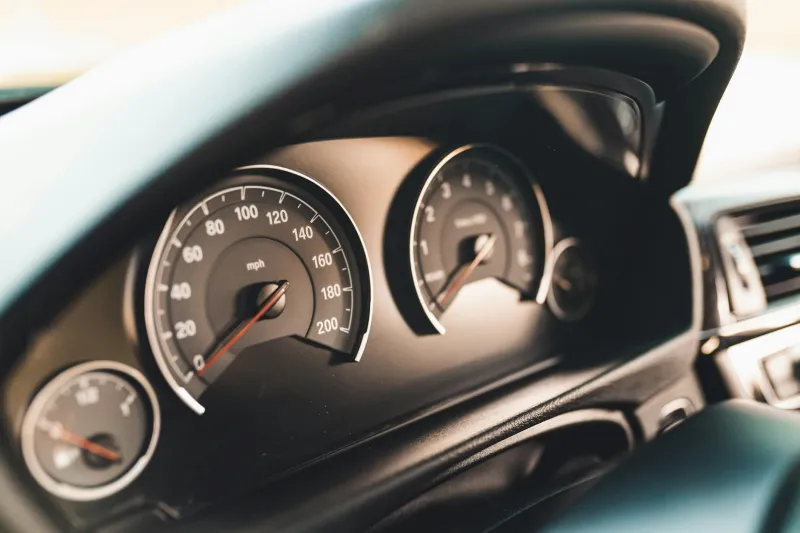
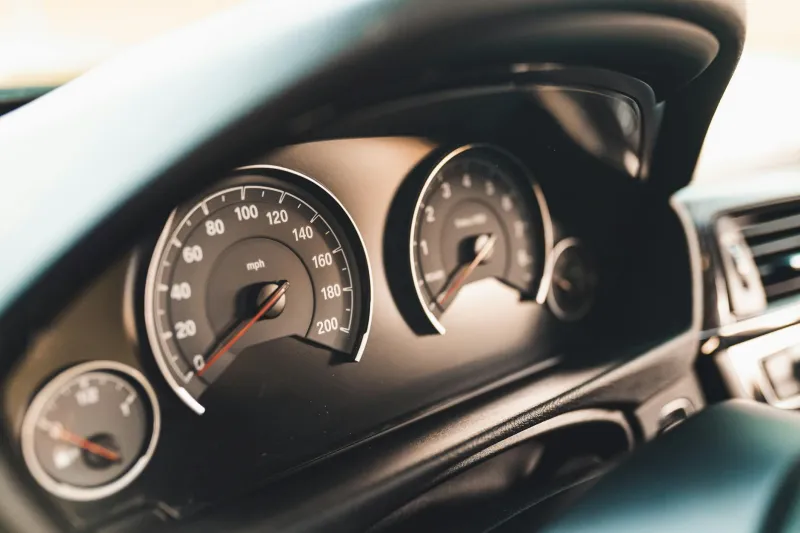
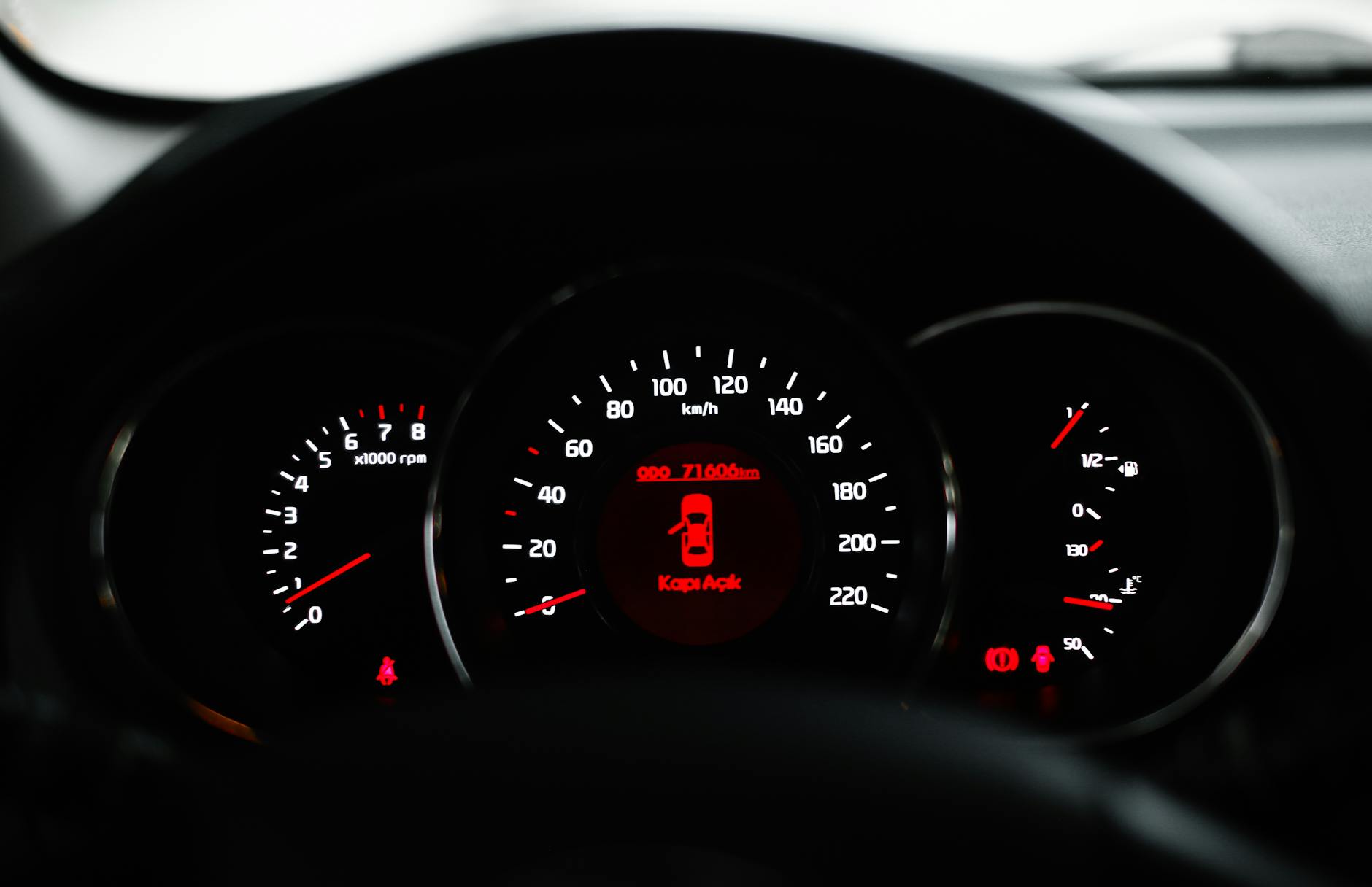
Federal law allows your car's odometer to be off by up to 4% — meaning that 100,000-mile reading could actually represent anywhere from 96,000 to 104,000 miles. Most drivers trust their odometer as gospel, but tire wear, wheel swaps, and manufacturing tolerances create a margin of error that can cost thousands when buying or selling used cars.

The Rustproofing Scam Dealerships Still Sell for Problems That Don't Exist Anymore

The Rustproofing Scam Dealerships Still Sell for Problems That Don't Exist Anymore

Modern cars come from the factory with corrosion protection that would have seemed like science fiction in the 1970s, when rustproofing made sense. Today's galvanized steel, multi-stage paint processes, and engineered drainage systems have largely solved the rust problem — but dealerships still sell expensive aftermarket treatments as if it's 1975.

That All-Season Tire Label Is a Marketing Term, Not a Performance Promise

That All-Season Tire Label Is a Marketing Term, Not a Performance Promise

Millions of American drivers trust their all-season tires to handle snow, rain, and summer heat equally well. But that reassuring label isn't a certified performance standard—it's a marketing category that prioritizes convenience over actual capability in extreme conditions.

Your Spare Tire Isn't Actually a Tire — It's a Short-Term Emergency Tool

Your Spare Tire Isn't Actually a Tire — It's a Short-Term Emergency Tool

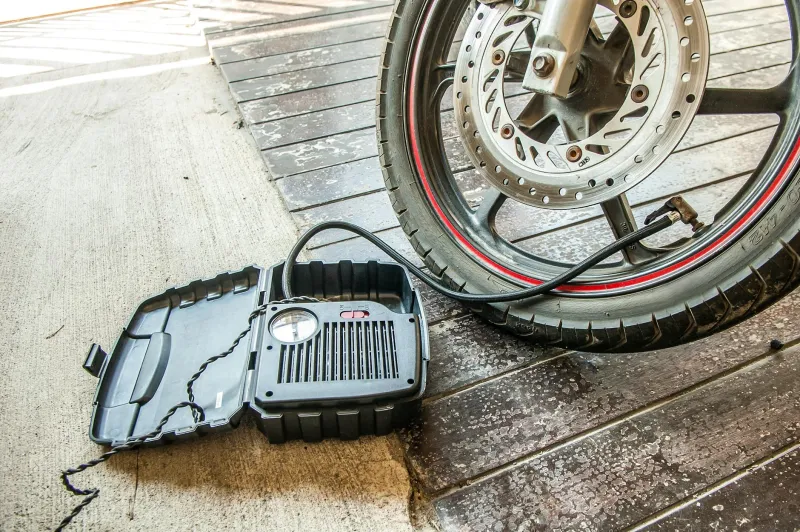
Most drivers think a spare tire is just a smaller version of their regular tires, but that compact 'donut' in your trunk comes with strict limitations that could leave you stranded or worse. Understanding what manufacturers actually designed these emergency tools to do might change how you think about roadside tire changes.

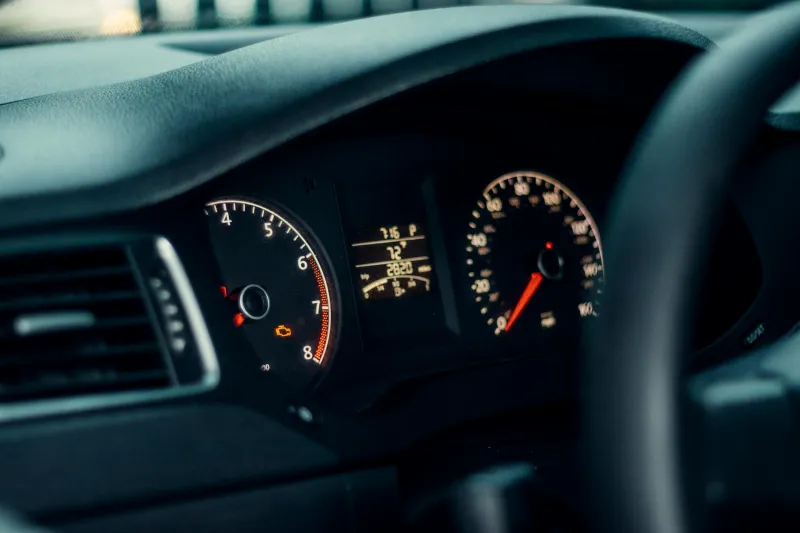
That Number on Your Dashboard Isn't as Accurate as You Think It Is

That Number on Your Dashboard Isn't as Accurate as You Think It Is

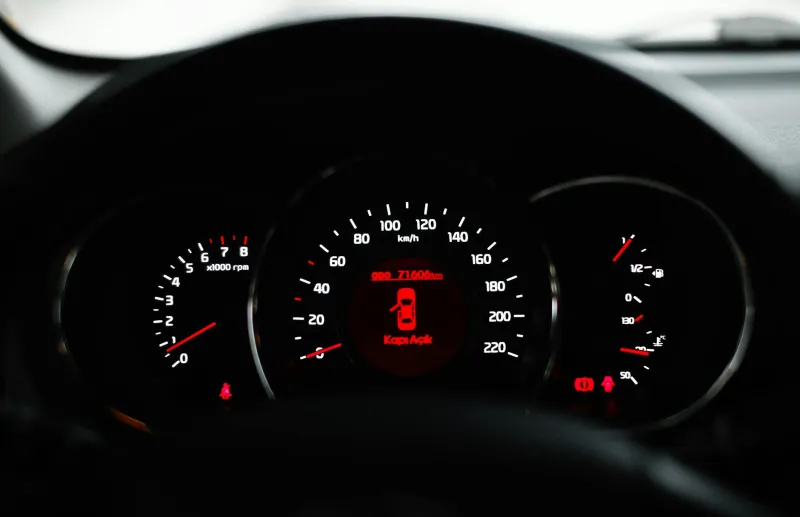
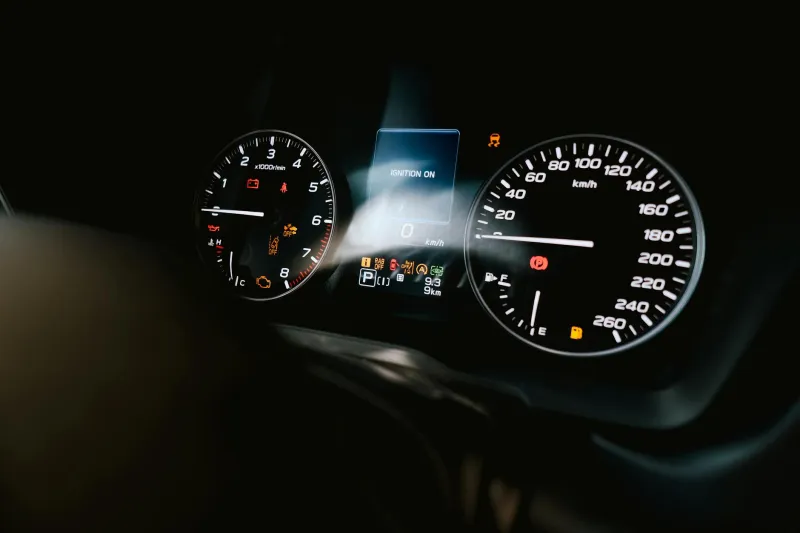
Every time you glance at your odometer, you're trusting a number that could be off by thousands of miles — and that's completely legal. The measurement you rely on for everything from oil changes to resale value has built-in margins of error that most drivers never realize exist.

That Green Liquid Under Your Hood Does Way More Than Prevent Overheating

That Green Liquid Under Your Hood Does Way More Than Prevent Overheating

Most drivers think coolant is just there to keep engines from running hot, but that colorful fluid is actually a complex chemical cocktail performing multiple critical jobs simultaneously. Understanding what coolant really does — and why mixing types can silently destroy your engine — might save you thousands in repairs.

The Tire You've Never Used Is Probably Already Failing You

The Tire You've Never Used Is Probably Already Failing You

That spare tire sitting in your trunk hasn't moved in years, so it must be fine — right? Rubber has a shelf life whether it's been driven on or not, and most American drivers have no idea their backup plan may have quietly expired.

The 3,000-Mile Oil Change Was Good Advice — In 1970

The 3,000-Mile Oil Change Was Good Advice — In 1970

For generations, American drivers have treated the 3,000-mile oil change as gospel — a basic rule of car ownership passed down like common sense. But modern engines and synthetic oils have made that interval largely obsolete, and the people most invested in keeping the old rule alive are the ones charging you for it. Here's what your owner's manual actually says, and why following outdated advice is costing you real money.

AWD Won't Save You When It Matters Most — Here's the Physics

AWD Won't Save You When It Matters Most — Here's the Physics

All-wheel drive is one of the most popular selling points in the American SUV market, marketed as the go-to solution for rain, snow, and slippery roads. But when it comes to stopping — the moment that actually determines whether you get into an accident — AWD does essentially nothing. The real story is about physics, tires, and a confidence gap that causes more crashes than it prevents.

Why the Horsepower Race Has Been Misleading Drivers for Decades

Why the Horsepower Race Has Been Misleading Drivers for Decades

American car culture treats horsepower like the final word on performance. But plenty of lower-horsepower cars will leave a high-powered machine in the dust — and the reasons why say a lot about what we've been taught to pay attention to.

Paying Extra for Premium Gas? For Most Cars, You're Just Paying Extra

Paying Extra for Premium Gas? For Most Cars, You're Just Paying Extra

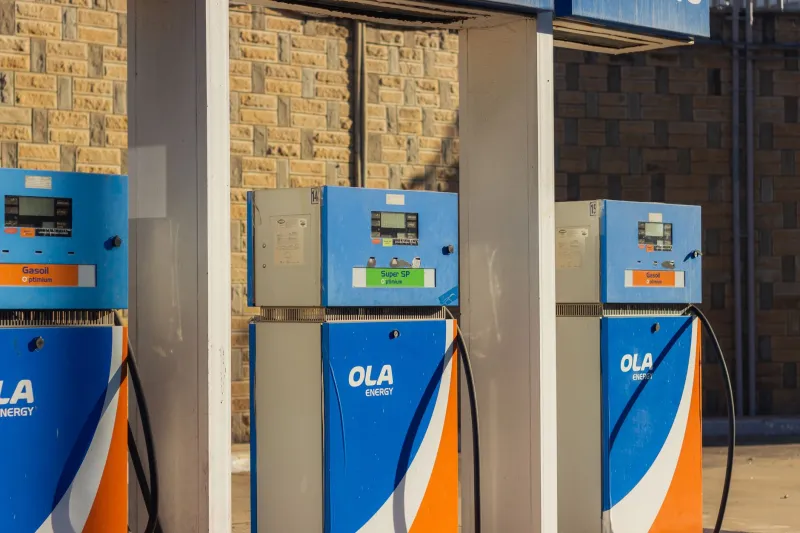
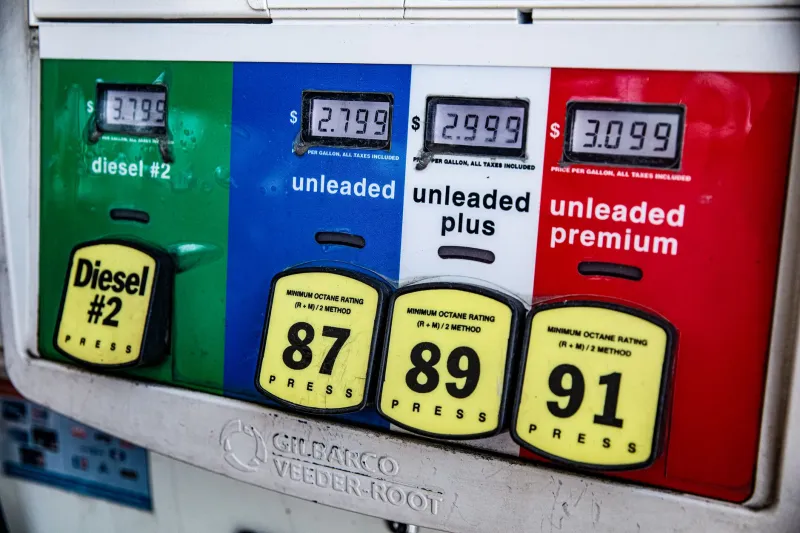
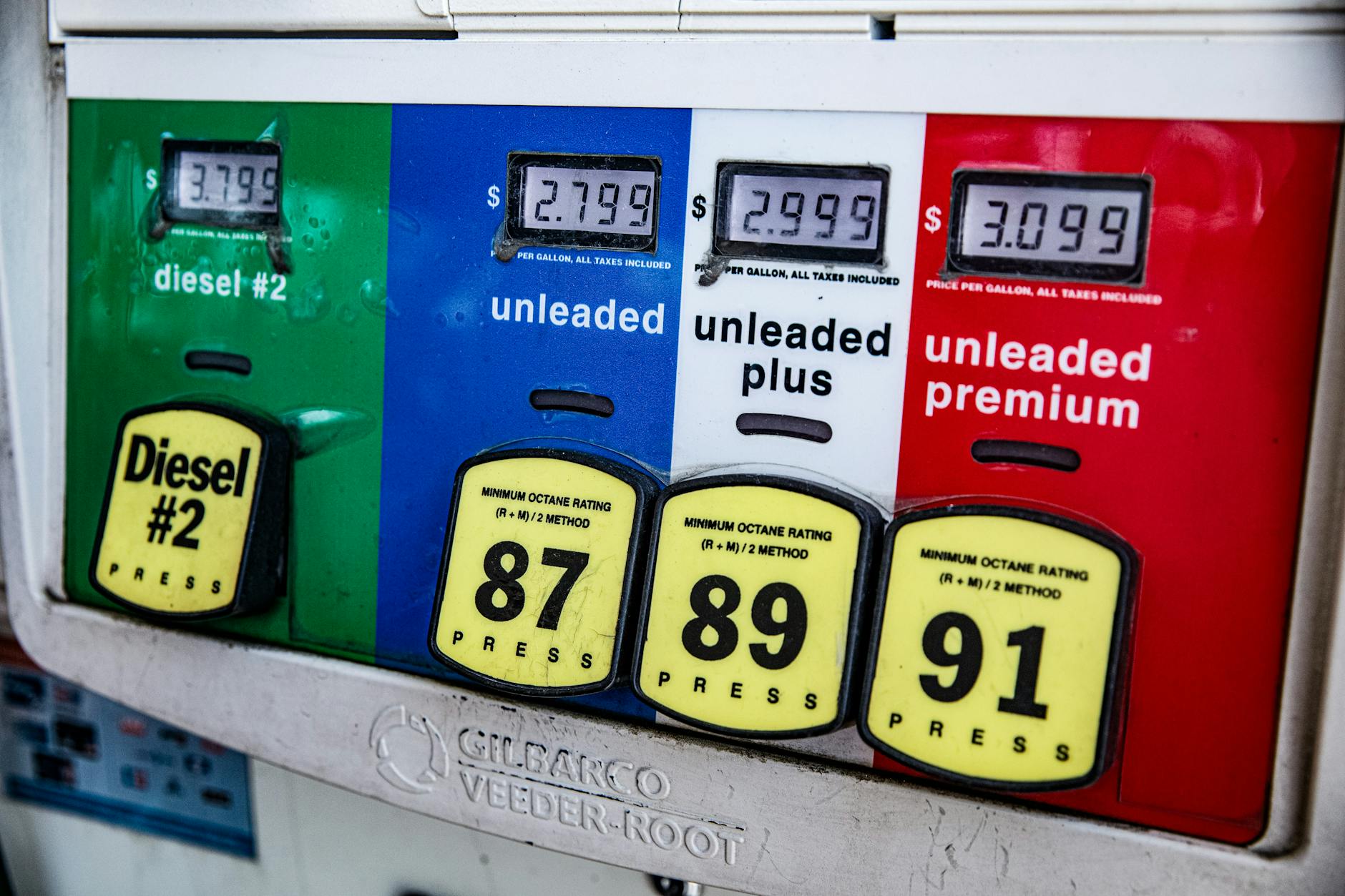
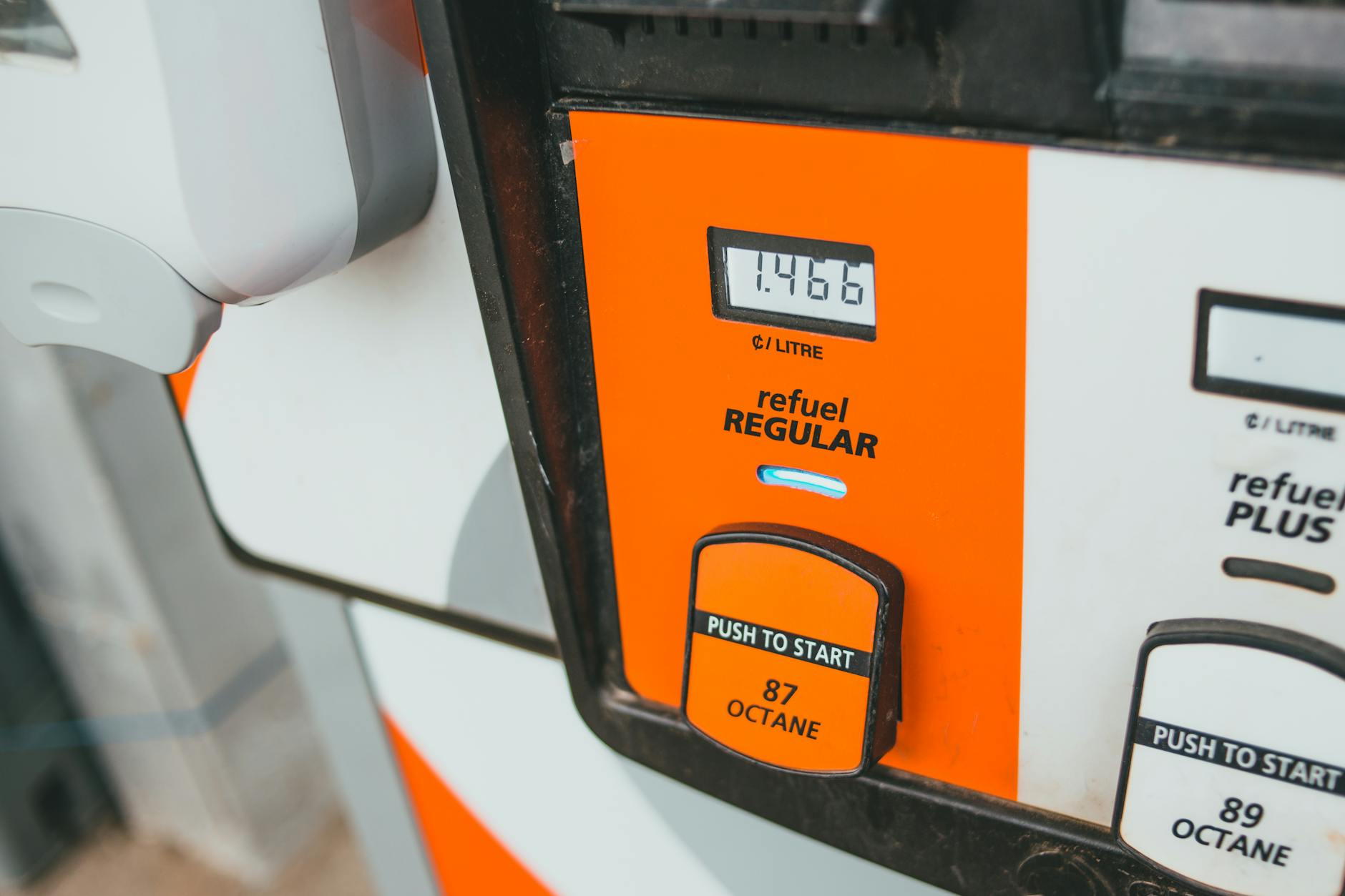
A significant portion of American drivers regularly choose premium fuel believing it delivers better performance or a cleaner engine — but for the majority of vehicles on the road, the extra cost produces zero measurable benefit. Understanding what octane actually does (and doesn't do) changes how you look at that pump.

That Little Gas Light Isn't Telling You What You Think It Is

That Little Gas Light Isn't Telling You What You Think It Is

The moment that orange fuel pump icon flickers on, most drivers white-knuckle it to the nearest gas station. But your car almost certainly has more runway than you've been led to believe — and the engineering behind that buffer is more intentional than most people realize.

The Number on Your Window Sticker Is Optimistic at Best

The Number on Your Window Sticker Is Optimistic at Best

That EPA fuel economy estimate looked great on the lot. But somewhere between the dealership and your daily commute, those numbers quietly stopped adding up. Here's what the sticker was never designed to tell you.

Premium Gas Isn't Better Gas — It's Just More Expensive Gas

Premium Gas Isn't Better Gas — It's Just More Expensive Gas

Millions of American drivers pay extra for premium fuel every week in cars that were never designed to use it. What feels like responsible car ownership is actually a misunderstanding of what octane rating means — and what it doesn't.